Houseplants: Allies
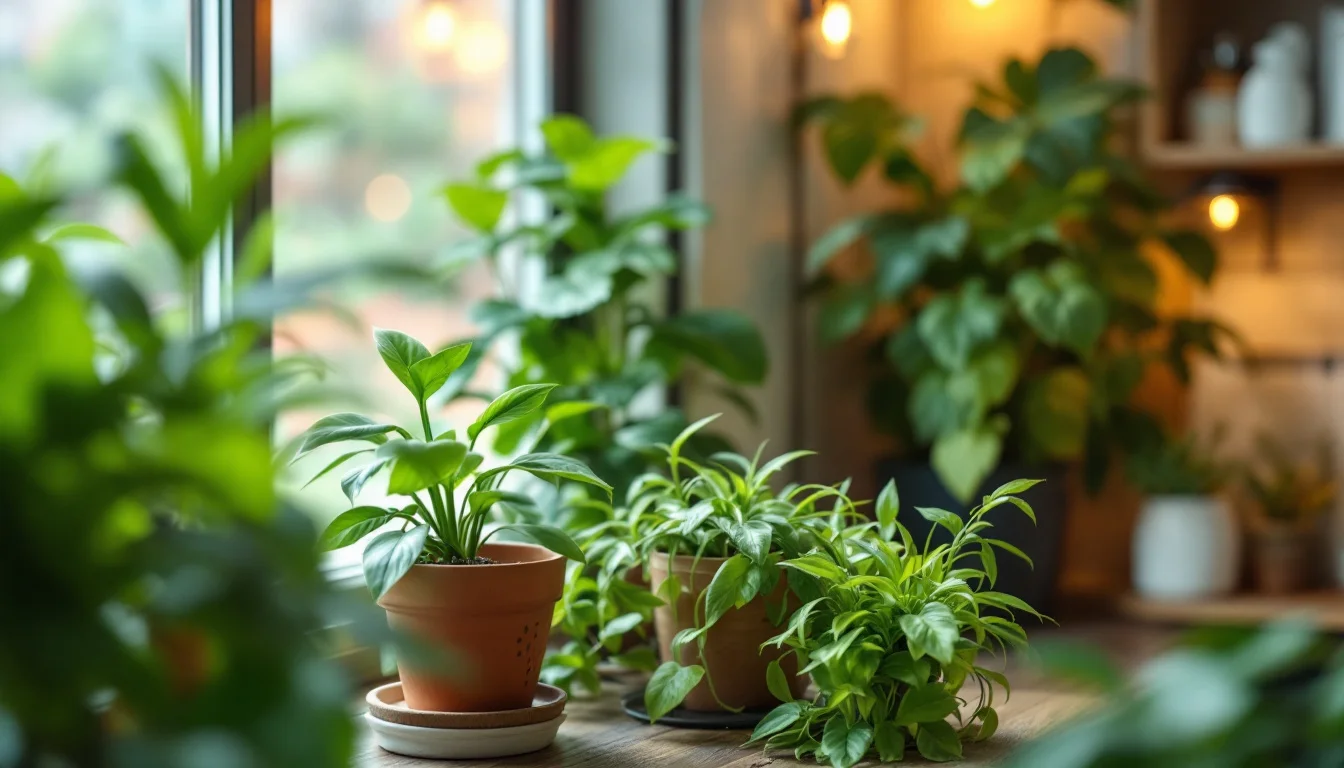
The "urban jungle" decor trend has firmly taken root in our homes, turning living rooms and bathrooms into lush greenhouses. However, hoarding houseplants requires a bit of caution as the winter season approaches. With constantly fogged-up windows and damp walls, bringing new plants into a cramped or poorly ventilated room shows a misunderstanding of basic plant biology. The aesthetic appeal of abundant greenery clashes directly with the laws of building physics. In an attempt to purify the air with standard flora, households can actually worsen condensation if a room already suffers from poor ventilation or high humidity. So, should we give up on houseplants altogether? Not necessarily. Making smart species choices and understanding how their metabolisms work makes all the difference.
Key takeaways
- The reverse effect: Daily plant transpiration releases water into the ambient air, which can worsen condensation in a poorly ventilated room.
- Plant allies: Specific tropical or epiphytic species feed partly on ambient water vapor, though they don't act as full-scale dehumidifiers.
- Toxicity risks: Several plants commonly recommended for filtering pollutants have toxic sap or leaves, posing a direct threat to children and pets.
- Technical limits: Plants cannot replace a proper ventilation system when dealing with structural dampness.
The biological paradox: why your plants sweat and feed mold
Interior design literature often praises the air-purifying virtues of houseplants, conveniently ignoring a basic physiological reality shared by almost the entire plant kingdom. According to the gardening website Mon Jardin Ma Maison, it is crucial to remember that while plants respire and certain species capture some airborne water vapor for their needs, they also transpire significant amounts of liquid throughout the day.
The closed-loop water cycle
The physics of air are clear: every liter of water poured into your potting soil doesn't just miraculously vanish into thin air. The plant absorbs it through its root system to feed itself and circulate sap, then evaporates it through the pores in its leaves. This continuous process is well-documented: moisture experts point out that many common houseplants actually increase room humidity by releasing water into their immediate environment.A spike in ambient humidity
This transpiration mechanism proves beneficial in excessively dry indoor climates, such as during intense winter heating periods. On the other hand, if a living space already suffers from poor airflow or is naturally saturated with moisture, adding standard flora will only exacerbate the humidity levels. This water vapor sustains a damp atmosphere that is ripe for mold growth on walls, while the constantly moist potting soil becomes a breeding ground for microorganisms.Epiphytes and xerophytes: plants that feed on humid air
Given this reality, the solution isn't to banish all greenery from our homes. The trick lies in carefully selecting plants with specific metabolisms—those capable of drinking in excess ambient humidity without needing massive amounts of water in their soil. It should be noted, however, that their impact is limited; they will not dehumidify a room on a large scale.
The champions of aerial absorption
It is worth noting that certain species, often native to tropical environments, extract moisture from the air rather than relying exclusively on root absorption. This adaptive biological trait makes them great additions to rooms where moisture is already structurally high, such as bathrooms.Tillandsia (commonly known as air plants), which belongs to the same bromeliad family as the pineapple, is a prime example. The home service platform MesDépanneurs points out that this unique plant can be grown without any soil whatsoever, simply suspended in the air using a mount. It feeds partially on ambient humidity through its leaves, which capture water droplets suspended in the air.
Orchids and large foliage
Other plants offer more nuanced adaptation profiles when it comes to indoor moisture:- Orchids: While only epiphytic species with exposed roots can capture a bit of moisture from the surrounding air, standard potted orchids primarily absorb water and nutrients through their roots in the soil. Nevertheless, they require very little water to thrive in a pot, meaning they can flourish without unnecessarily driving up the room's humidity.
- Dwarf palms: Contrary to popular belief, they do not absorb moisture through their leaves. Instead, they transpire and can actually help humidify a dry room. Furthermore, while they are sometimes credited with filtering out pollutants like formaldehyde, recent studies show that the air-purifying capacity of potted plants is negligible in real-world domestic conditions compared to simple ventilation.
Toxicity and care: how to choose without endangering your family
Replacing your old furniture with a dense living wall means anticipating a few variables. You have to balance the plant's absorption capacity, its actual watering needs (which add water vapor), and household safety. To help guide this tricky decision, here is a quick breakdown.
Safety before aesthetics
Just because a plant is natural doesn't mean it's harmless. The sansevieria (commonly known as the snake plant) reportedly requires very little water and helps reduce surface condensation. Though it is often touted for its ability to filter various air pollutants, recent research has shown that the purifying effectiveness of plants in real-world home environments is negligible compared to proper ventilation. However, its visual appeal comes with a caveat: it's important to remember that the snake plant is toxic to pets.The health warning is similar for classic indoor ivy, which is toxic to both humans and pets. It must absolutely be placed up high, completely out of reach. Additionally, the leaves of the spathiphyllum (also known as the peace lily) are toxic to animals, and the sap secreted by the ficus is toxic to both children and pets.
Plant breakdown
| Plant | Foliar absorption capacity | Watering needs | Toxicity risks |
|---|---|---|---|
| Tillandsia | High (feeds partly on ambient air) | Low (misting) | None reported |
| Sansevieria | Helps reduce condensation | Low | Toxic to pets |
| Ivy | Moderate | Low | Toxic to humans and pets |
| Spathiphyllum | Moderate | Medium | Leaves are toxic to pets |
| Ficus | Low | Medium | Toxic sap (children and pets) |
The limits of biology: why ventilation remains the structural answer
Despite the clever decorative integration of large orchids or graceful hanging air plants, the drying power of botany has strict limits. Indoor plants act as subtle, supplementary regulators within a home, but by no means are they a fundamental cure for property degradation.
The myth of plant-based remedies
Experts warn homeowners: plants are not a panacea for mold. While they undeniably have the ability to improve the indoor climate of a living space, they absolutely cannot replace an effective ventilation system, nor can they single-handedly solve a genuine structural dampness issue. Hoping to dry out a windowless bathroom or a wall plagued by rainwater infiltration simply by adding tropical foliage is pure illusion.The imperative of treating the underlying cause
The insidious appearance of black or greenish streaks on wall coverings often signals a deep-seated structural imbalance. It should be noted that while mold can sometimes appear in isolated patches without necessarily pointing to a broader structural issue, it is generally symptomatic of a larger imbalance within a home. The root cause is very often poor ventilation, a hidden plumbing leak, or underlying waterproofing issues in the masonry. This is a technical failure that must be addressed at the source to prevent permanent damage to the building.Conclusion
By incorporating epiphytic species into modern home architecture, households can create a visually soothing environment while still prioritizing occupant safety. Proper ventilation systems take care of managing massive volumes of structural water vapor, while indoor flora adds the finishing touch to a healthy, well-managed living space.