Air Quality in the Nursery
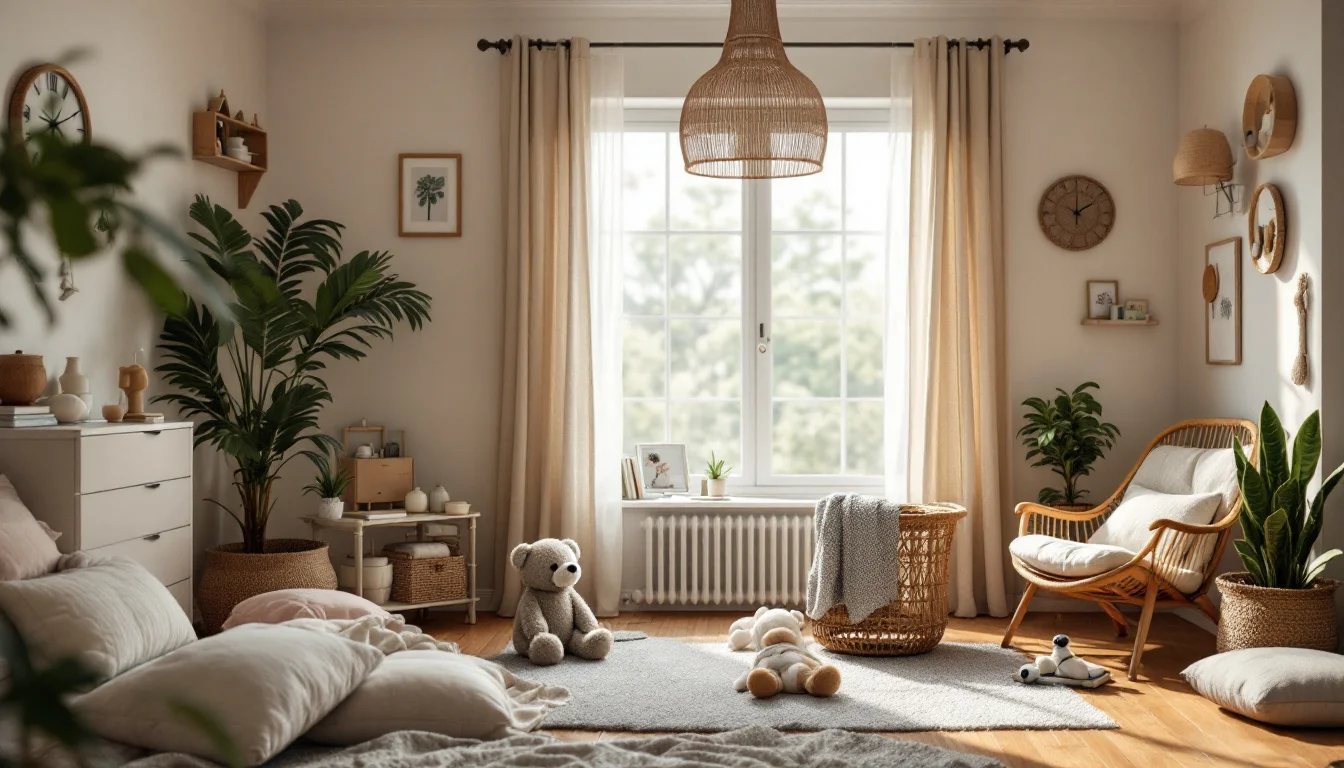
For many parents, closing the front door feels like shutting out the world's environmental hazards, creating a safe, protective cocoon for their family. However, according to Brussels Environment, indoor air pollution can actually exceed outdoor levels. The enclosed air in a baby's nursery constantly accumulates emissions from various household products, substances, and building materials. This is compounded by daily habits, such as smoking indoors or failing to air out rooms, as well as structural flaws like dampness or poor ventilation and insulation. Chemical off-gassing from cleaning supplies and room fragrances only adds to the toxic mix.
The Federal Public Service (FPS) Public Health explicitly identifies children, alongside the elderly and those with chronic illnesses, as a demographic particularly vulnerable to indoor air pollution. Safeguarding an infant's respiratory environment therefore requires abandoning outdated misconceptions about household cleanliness. Instead, parents must adopt an approach based on the continuous, measured renewal of air, whether through mechanical systems or natural airflow.
Key Takeaways
- Measurement is essential: Only concrete tools, such as a CO2 monitor or a professional risk analysis, can objectively assess the air quality in a child's room.
- Airing out vs. ventilation: Simply opening windows is subject to weather conditions, whereas proper ventilation guarantees a steady, continuous exchange of air, whether natural or mechanical.
- Vigilance extends beyond the home: A parent's effort doesn't stop at the front door; indoor pollutant accumulation remains a significant health concern in daycare centers and schools.
- Medical supervision for home audits: In the Brussels-Capital Region, if a child suffers from persistent symptoms potentially linked to their living environment, a clinical diagnosis from a general practitioner is the necessary first step to request an environmental audit by CRIPI.
The Myth of "Clean": Why Your Nose Can't Judge Air Quality
Preparing a nursery often goes hand in hand with a deep clean and the installation of brand-new furniture. Paradoxically, this well-intentioned process introduces a host of new chemical variables right into the heart of your home.
The Three Main Categories of Household Pollutants
FPS Public Health notes that indoor air can contain a varying cocktail of pollutants stemming from three main sources:
- Permanent materials and fixtures: Furniture, wall paint, adhesives, and electrical appliances off-gas various compounds over the long term.
- Daily human activities: Cooking, cleaning, smoking, indoor exercise, the use of chemical or scented products, and even just having a crowded space all alter air composition.
- Infiltrating outdoor air: Traffic pollution, nearby industrial activities, and pollen can easily find their way inside the building.
The Trap of Scented Cleanliness
Faced with this array of emissions, our first instinct is often to judge a room by how it smells. However, FPS Public Health explicitly warns that odor is an unreliable indicator of indoor air pollution. A room saturated with synthetic fragrances may mask harmful fumes, but it certainly does not eliminate them. Health authorities stress that only concrete tools, such as a CO2 monitor or a professional risk assessment, can provide an objective estimate of air quality.
When it comes to recent renovations, flooring materials—such as carpets, vinyls, hardwood, and poured resins—along with their associated adhesives, are notorious culprits for emitting volatile organic compounds (VOCs).
Airing Out, Ventilating, and Purifying: The Mechanics of Air Renewal
Sanitizing your baby's breathing environment requires a precise understanding of airflow mechanics. Many households confuse the different methods of air treatment, which limits their actual positive impact on a child's health.
The Difference Between Airing Out and Ventilating
FPS Public Health makes a strict distinction between airing out a room and ventilating it. Airing out—simply opening doors and windows—is a temporary, targeted action entirely dependent on the weather. Ventilation, on the other hand, relies on a mechanical or natural system to ensure a constant, continuous exchange of air, often through technically controlled means.
Tracking Carbon Dioxide Levels
To evaluate the effectiveness of this continuous air exchange, FPS Public Health recommends using CO2 concentration as a reliable indicator. High levels signal an immediate need to air out the room; as a general rule, it is highly recommended to keep levels below the 1,000 ppm threshold whenever possible.
The Specific Role of Air Purifiers
Supplemental equipment plays by a different set of rules. An air purifier can be a useful addition to standard ventilation, particularly in poorly ventilated rooms, for sensitive individuals, or to eliminate specific pollutants (according to FPS Public Health). It is vital to select a device strictly suited to the room's dimensions. If your goal is to target aerosolized viruses, you should prioritize systems equipped with at least an H13 HEPA filter.
Daycare and School: A Continuation of the Respiratory Challenge
The preventive efforts made in the nursery are just the beginning of a health continuum that naturally extends into a child's educational and daycare environments.
A published study, highlighted by the Santé-habitat.be platform, has documented this environmental reality. Researchers measured various gaseous and particulate pollutants across 101 indoor micro-environments—including classrooms, dormitories, and cafeterias—within 25 daycares and schools. The sheer scale of these observations underscores the omnipresence of respiratory challenges in young children's daily lives and demonstrates an urgent need to take action to reduce exposure to indoor air pollutants in these settings (Santé-habitat.be). Consequently, the quality of the air our children breathe is a major issue that goes well beyond household management.
Chronic Coughs and Allergies: When and How to Call on CRIPI in Belgium
Despite rigorous prevention and daily airing out, some children still develop persistent respiratory conditions or allergic reactions. Faced with these medical red flags, the Belgian healthcare network offers a structured, on-the-ground response.
Here is the step-by-step guide to turning medical concerns into a specialized environmental audit, following the care protocol deployed in the Brussels Region.
- The initial medical consultation
- Activating the regional service
- The home audit process
Frequently Asked Questions (FAQ): Airing Out vs. Outdoor Pollution
Should I air out the nursery during a pollution or pollen peak? Yes, airing out remains necessary, but timing is everything. FPS Public Health advises keeping outdoor air quality in mind before opening windows. During periods of heavy traffic, pollen surges, industrial emissions, or extreme heatwaves, opening windows will invite outdoor pollutants inside. Instead, it is highly recommended to shift your airing schedule to early in the morning or late at night, when these environmental pressures have subsided.
Conclusion: Treating the Nursery as a Living Ecosystem
Today, designing a baby's living space requires a technical approach that goes far beyond mere interior decoration. This shift—from perceived cleanliness to measured, mechanized sanitation—demonstrates that preventive child health is built first and foremost on the rigorous control of air exchange. The modern nursery must no longer merely look clean; above all, it must breathe safely.