Cooking and Tap Water: Is Filtering Really Necessary?
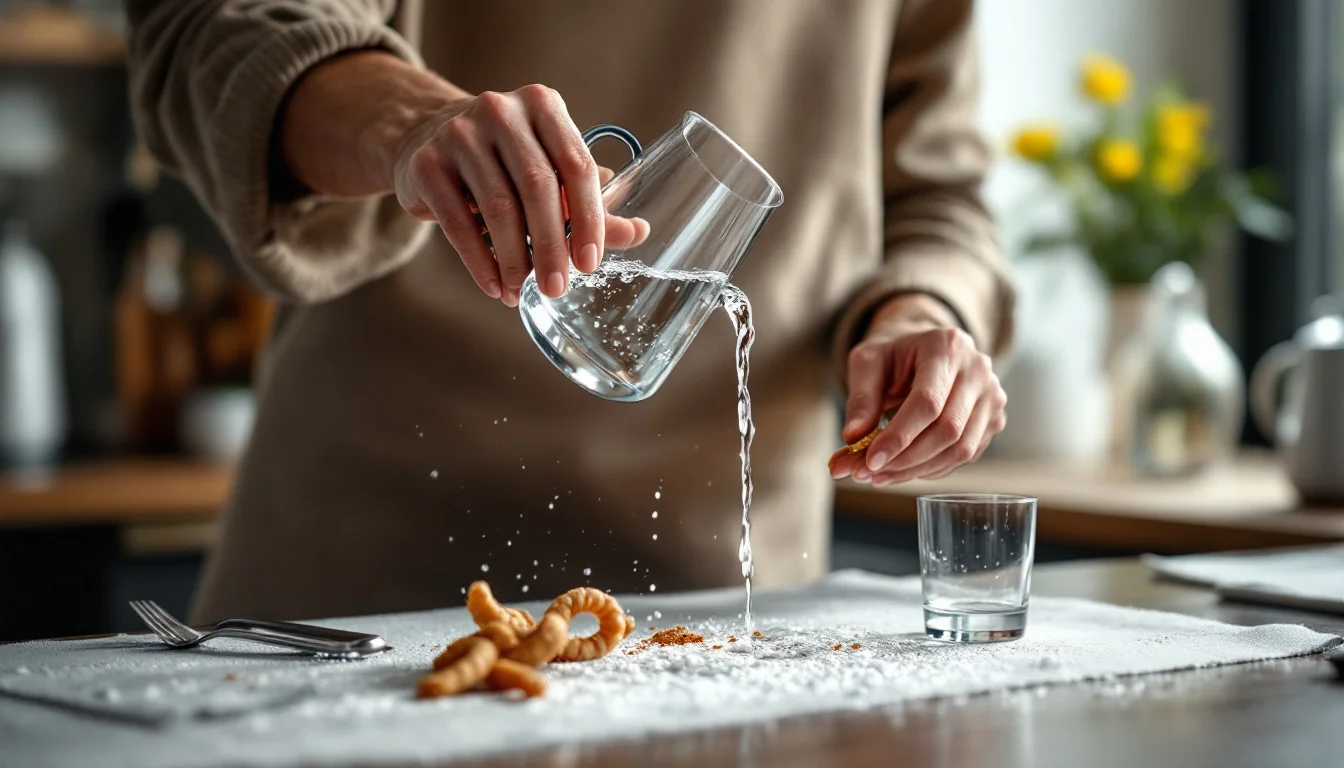
Water is more than just a beverage; it’s the primary ingredient in a savory broth, the foundation of a perfect cup of coffee, and the essential cooking element for pasta and grains. Yet, when it comes time to fill the pot, the modern consumer hesitates. Should we rely on plastic bottles—despite their widely criticized environmental toll—or draw directly from the tap, despite lingering concerns about pollutants and that faint taste of chlorine?
To settle this debate, a comparative study by the consumer protection organization Test-achats analyzed 30 still bottled waters alongside tap water sampled from 20 Belgian municipalities. The findings dispel several myths regarding the absolute purity of commercial bottled water. They also bring to light a little-known health dilemma in the kitchen: the quest for better-tasting water through home filtration can introduce unexpected risks right into our daily cooking routines.
Key Takeaways
Before investing in a home purification system, here are the essential factors to consider for optimal culinary use:
- Safety: Tap water in Belgium contains fewer microplastics than bottled water, though it can sometimes harbor higher trace levels of dissolved substances.
- The role of chlorine: This disinfectant protects the water all the way to your tap; stripping it out with a home filtration device encourages microbial growth if the system isn't properly maintained.
- Technical limitations: Consumer-grade solutions (pitchers, faucet attachments) do not entirely block persistent micropollutants. They also require regular replacements, a maintenance schedule users often overlook.
- Minerals and cooking: Naturally occurring minerals in tap water (like calcium and magnesium) contribute to our daily mineral intake and play a key role in extracting flavors during cooking.
Water Quality in Belgium: Health Realities Beyond the Myths
Systemic Quality
Anxiety over water quality drives many households to seek alternatives to the public supply. However, according to the publication "5 reasons why tap water is healthy" by water treatment specialist Culligan Belgium, tap water is perfectly safe before it even reaches the faucet.
No source, however, is entirely free of environmental traces. According to Test-achats, both tap and bottled water occasionally contain traces of harmful substances, though generally at very low levels; bottled water tends to contain slightly less than tap water. This nuance is a helpful reminder that while drinking water is never 100 percent chemically pure, it remains perfectly safe for regular culinary use.
The Microplastics and Minerals Factor
Packaging choices have a direct impact on the liquid's final composition. Although municipal filtration systems don't catch the absolute finest particles, tap water generally contains fewer microplastics than certain bottled waters, where plastic particles can leach from the cap or the bottle itself.
In terms of mineral composition, tap water provides essential elements. It contains calcium and magnesium—though their nutritional impact is marginal compared to a balanced diet, and any specific health advice should come from a doctor or dietitian. These compounds also influence the structure of teas and broths, playing a crucial role in flavor extraction when cooking.
The Chlorine Paradox in the Kitchen: Taste vs. Bacteriological Safety
The Protective Role of Disinfectants
The main complaint lodged against tap water revolves around its taste and odor profile. Chlorine is added in small doses to municipal water to kill bacteria; it is harmless to our health, even if some people dislike its odor, and it evaporates quickly. Yet, this volatile compound can sometimes mask the delicate flavors of culinary preparations, prompting people to invest in purification devices.
However, this treatment acts as an essential shield. Once removed, the situation changes drastically. When opened and left at room temperature, bottled water can develop bacteria; the absence of chlorine actually makes it more vulnerable to microbial growth than tap water.
The Pitfalls of Improper Filtration
This is where the chlorine paradox lies. By trying to eliminate this agent to improve the taste of a coffee or soup, consumers strip away the water's disinfectant barrier. In the warm, humid environment of a kitchen, filtered water stagnating in a room-temperature reservoir quickly becomes unstable.
According to the Test-achats study, a poorly maintained filter can become a breeding ground for bacteria, release contaminants back into the water, and ultimately worsen the sanitary situation. Filter pitchers can thus provide a false sense of security. The quest for better taste turns into a food safety risk: users believe they are cooking with purified water, when in fact they are using a liquid potentially loaded with microorganisms. For hot preparations, boiling does kill off pathogenic microbes, but it won't neutralize any chemical contaminants that a degraded filter might have released.
The Anti-PFAS Test: The Limits of Consumer Filter Pitchers
Incomplete Protection Against Forever Chemicals
Beyond improving taste, the fear of per- and polyfluoroalkyl substances (PFAS) is a major driver behind the purchase of home filtration systems. To evaluate their actual effectiveness, Test-achats tested a 2.4-liter Brita Marella pitcher (using MAXTRA+ or MAXTRA PRO cartridges, which rely on activated carbon and ion-exchange resin) on a water sample intentionally contaminated in the lab with several types of PFAS. This included TFA, an ultra-short-chain PFAS, present at 1300 ng/l.
The results warrant caution. The Brita pitcher achieved a 96% filtration rate for PFAS in this test—which is not total elimination. As these pollutants accumulate in the body even at low doses (Test-achats), a partial retention still allows a fraction of these substances to slip through. This contradicts the promise of absolute purification that health-conscious consumers often hope for.
Hidden Costs and Environmental Impact
Heavy reliance on these devices in the kitchen also creates logistical hurdles. According to Test-achats, used filter cartridges are made of plastic and must be collected and processed at recycling centers. Their ongoing cost adds to the initial price of the pitcher, and users are often unaware of how frequently they need replacing. This complex waste management significantly undercuts the environmental argument often touted by those abandoning plastic bottles—especially considering that the CO2 emissions of tap water are at least 100 times lower than those of bottled water.
Comparison: Faucet Filters, Charcoal Sticks, or Gravity Systems?
To equip your kitchen without falling into a false sense of security, it’s important to analyze the different technologies based on specific criteria. This filtration comparison highlights the trade-offs involved.
| Filtration Method | Chlorine & Taste Treatment | Pollutant & PFAS Efficacy | Minerals & Constraints |
|---|---|---|---|
| Faucet filters | Clear improvement (Test-achats) | Limited effectiveness on nitrates and PFAS | Reduced flow rate, highly cartridge-dependent |
| Charcoal sticks | VOC reduction (Test-achats) | Very weak against metals and bacteria | Simple, but superficial action |
| Gravity systems | Eliminates chlorine and off-tastes | Targeted retention (bacteria, PFAS) | High cost, bulky (10 liters) |
Regarding sink-mounted devices, Test-achats notes that faucet filters (a small module and cartridge, usually combining activated carbon with mechanical filtration) primarily improve taste by removing chlorine. They trap particles, sediments, and sometimes certain metals and pesticides. However, they lack effectiveness against nitrates, PFAS, or pharmaceutical residues. Additionally, water flow may be reduced, and the final result depends heavily on the specific cartridge used.
A popular alternative, favored for its natural appeal, involves immersing pieces of charred wood. Activated charcoal sticks (made from bamboo or coconut shells) dropped into a pitcher noticeably improve taste and reduce chlorine and certain volatile organic compounds. However, they offer little to no filtration for nitrates, water hardness, heavy metals, and pathogenic bacteria (Test-achats).
Finally, a user interviewed by the Belgian broadcaster RTBF alongside the Test-achats study sought to eliminate odors, bad tastes, and certain pollutants (PFAS, bacteria) without removing "good components" like magnesium and calcium, and without trying to reduce limescale, which remains in the water. His choice landed on large-capacity stainless steel vats. The most sought-after brands of carbon filtration systems cited include Berkey, Berkefeld, Weeplow, Vevor, Ecofiltro, and Euroguard. These gravity-fed systems can hold around ten liters, operate without electricity, and cost several hundred euros—specifically, 400 euros for the model described by the interviewed user.
Frequently Asked Questions (FAQ) About Water in the Kitchen
How can I eliminate the chlorine smell without using a specific device?
Since chlorine is volatile, it evaporates naturally. For cold uses (drinking water, iced tea), we recommend drawing a pitcher of water and letting it sit open at room temperature for about thirty minutes, as evaporation occurs faster there than in the fridge. It can then be chilled to limit bacterial growth. For hot cooking (pasta, rice, broths), boiling quickly drives off volatile compounds like chlorine, making the prior use of a filter cartridge entirely superfluous for this specific purpose.
If my home has a water softener, can I use softened water for cooking?
A home water softener alters the chemical balance of your water by replacing calcium and magnesium ions with sodium. This transformation significantly affects extraction reactions, particularly for coffee and tea, whose aromas express themselves differently without water hardness. Furthermore, adding extra sodium to your cooking water isn't always desirable from a flavor perspective. Nutritionally, the impact varies depending on the water's initial hardness and your consumption frequency; anyone on a low-sodium diet should consult a doctor or dietitian regarding this issue.
Conclusion: Returning to Culinary Common Sense
Tap water should be treated as a fresh product, whose preservation dynamics shift the moment it is mechanically altered. For the vast majority of daily culinary preparations, drawing straight from the tap provides safe water without requiring a complex maintenance routine or an extra budget. Embracing the natural mineral balance of your water also means acknowledging that hyper-technology isn't always the best answer to the simple laws of natural evaporation.