Filtering Your Pet's Water: Tap, Rain, and Minerals
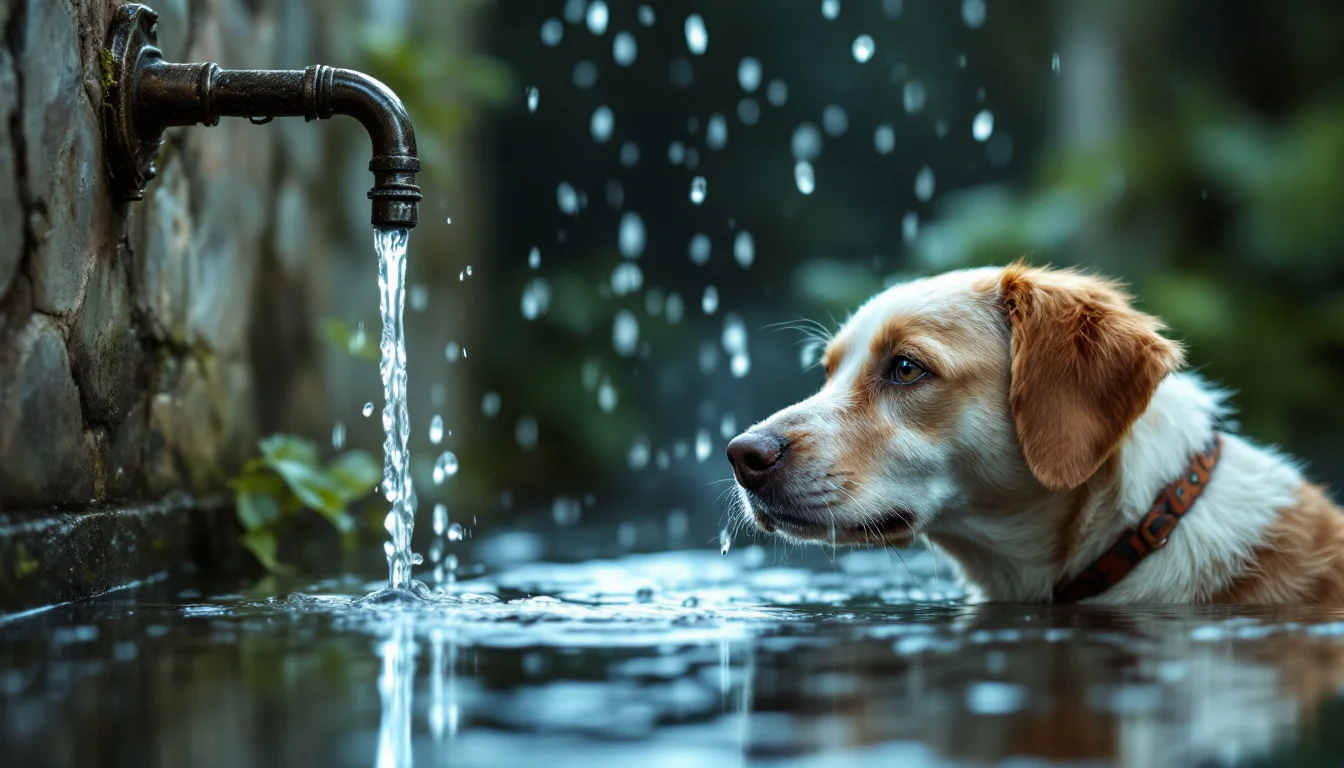
When it comes to feeding our dogs and cats, we often focus intensely on the exact ingredients in their kibble, leaving hydration as an afterthought. Yet, the proportion of water in a pet's body varies significantly depending on species, age, and physical condition: it generally accounts for 60 to 80% of body mass in adult dogs, and 60 to 75% in cats. This fundamental nutrient dictates their entire physiological balance, playing a role in almost all vital functions, including digestion, waste elimination, body temperature regulation, and nutrient transport.
Given this vital need, pet owners frequently wonder about the best water source to provide: municipal tap water, bottled water, or rainwater collected in the garden. Behind this seemingly trivial choice lie genuine preventive health considerations.
Key Takeaways
- The danger of stagnant water: Harvesting rainwater can expose pets to infections if the collection tank isn't properly protected against local wildlife.
- The debated role of minerals: Mineral concentration (including limescale) requires careful attention regarding a cat's renal system—a frequently cited risk factor, even if a formal causal link remains unproven.
- Bottled water: Some mineral waters contain mineral loads that are unsuitable for a pet's physiological needs.
- The importance of bowl hygiene: The container is just as crucial as the contents; daily cleaning prevents bacterial overgrowth in water bowls.
Is Tap Water Safe for My Dog or Cat?
Public Water System Safety
In Belgium, tap water is perfectly safe for human consumption, as the company Aquacare points out. This guarantees the absence of dangerous pathogens for households. However, water that appears visually clear and clean can still harbor invisible substances that might affect a pet's health. Assessing its quality relies on physical parameters (such as cloudiness), chemical makeup (pH, the presence of heavy metals like excess iron), and microbiological factors. While this resource is tailored for humans, its characteristics can trigger mixed reactions in our four-legged friends, and special attention should be paid to the most sensitive animals, such as puppies, kittens, seniors, or pets with chronic health conditions.
Why Do Pets Turn Their Noses Up at It?
The senses of domestic carnivores are much sharper than ours. Many animals, especially dogs and cats, detest the smell of chlorine in tap water and will spontaneously gravitate toward bowls of rainwater, according to the portal Récupérer Eau Pluie. This distaste for municipal water can reduce their daily fluid intake, leading to a risk of rapid dehydration that is particularly high in very young or senior pets.
The Role of Minerals
Beyond the smell, certain components in the water can pose problems for dogs and cats. The issue of limescale frequently comes up in this debate. Urinary stones are sometimes linked to mineral-rich water, a risk factor regularly cited by water treatment professionals. The feline renal metabolism is portrayed by these sources as particularly vulnerable to mineral overload, although the direct causal link is somewhat nuanced in veterinary literature.
Is Bottled Water a Better Alternative?
The Mineral Content of Bottled Water
Faced with a pet's refusal to drink tap water or a fear of limescale buildup, some owners turn to bottled water. According to Cieleo, bottled water is generally best avoided, as certain brands contain high levels of minerals that can be somewhat harmful to animals. However, specific low-mineral spring waters can be used for fragile pets or upon a veterinarian's recommendation.
Impact on the Renal System
Mainstream mineral waters are designed to provide magnesium, calcium, or sodium to human adults. In cats especially, these intakes are suspected by some sources to disrupt urinary health, amplifying the risks of mineral overload already highlighted regarding public tap water.
Medical Caution
Without a veterinary prescription specifically calling for a very low-mineral spring water (sometimes recommended for vulnerable pets), the idea that water packaged in plastic is universally superior to tap water is simply misleading. Opinions vary on this issue: while some advise against bottled water across the board, others reserve it for frail animals under veterinary guidance. Given these diverging views, a veterinarian's advice remains the most reliable benchmark.
Can You Give Rainwater to a Pet?
The Risks of Storage
The lack of treatment chemicals makes rainwater particularly appealing to animals. However, collecting this resource in your backyard involves managing infectious risks. Vigilance is required: stored tank water, especially when exposed to heat or light, becomes a breeding ground for bacteria. The proliferation of microorganisms in a warm environment quickly turns a natural resource into a source of contamination.
Preventing Leptospirosis
The most severe peril linked to harvesting untreated water is zoonotic. Leptospirosis is cited as the primary rainwater danger for dogs: rodents scurry across roofs and gutters, and their urine can contaminate the runoff water. Without fine filtration or UV disinfection, dogs—and potentially humans—are exposed to a serious kidney disease. It should be noted that sources don't typically highlight cats as the primary target of this specific risk.
Securing Your Setup
Offering this water is only viable if you block the chain of contamination at its source. For a rainwater harvesting setup, ensure you use a completely opaque or underground tank, along with wire strainers (leaf guards) on your gutters. Opacity deprives algae of the sunlight they need to thrive.
How to Clean the Water Bowl and Prevent Biofilms
Container Hygiene
The quality of the water you provide becomes entirely irrelevant if the container is neglected. A poorly cleaned bowl quickly develops a biofilm, characterized as a thin, slimy layer of bacteria. This protective film allows microorganisms to flourish on the sides of the bowl, even if the water is changed daily.
Proper Washing Habits
To destroy this biofilm, a simple rinse is not enough. It is recommended to wash the bowls in hot water with a mild, unscented soap. You should then rinse them thoroughly and let them air dry. This daily mechanical scrubbing is essential, particularly for plastic bowls, which are prone to micro-scratches that can easily harbor pathogens.
The Benefit of Water Fountains
To combat both bacterial stagnation and the off-putting smell of tap water, active filtration devices offer a great compromise. Pet water fountains keep the liquid moving, making it more appetizing and better oxygenated; most also feature activated carbon filters to remove impurities and odors. The constant mechanical agitation disrupts biofilm development, while the activated carbon effectively neutralizes the chlorine scent that repels felines.
Frequently Asked Questions (FAQ) About Pet Hydration
Can you use rainwater to wash your dog?
Yes, doing so actually offers dermatological benefits. Soft water (free of limescale) is highly recommended for bathing dogs: by making rinsing easier, it minimizes irritating soap residue and leaves the coat softer and shinier. The lack of water hardness indirectly helps protect the skin from irritation.Should you wash the water bowl with hot or cold water?
Cleaning with hot water is recommended. You should use a mild, unscented soap and apply the essential mechanical scrubbing action needed to break down the bacterial biofilm clinging to the sides, followed by a thorough rinse.Why Monitor Your Pet's Water Intake?
Fluctuations in Thirst
While focusing on the cleanliness of the bowl, don't overlook the importance of monitoring the quantity your pet drinks, which serves as valuable clinical data. Water needs vary depending on size, age, activity level, and diet.
A Key Metabolic Indicator
A pet that suddenly changes its habits despite having fresh, filtered water is sending a clear message to its owner. Excessive drinking could point to diabetes or kidney issues. Conversely, a refusal to drink due to an unpleasant taste or smell can lead to dehydration. Signs of dehydration include loss of appetite and energy, a dull coat, sunken eyes, and decreased skin elasticity; if you spot these symptoms, it is recommended to consult a veterinarian immediately. Ultimately, keeping their hydration source consistent provides a reliable baseline of their intake, allowing you to detect the early symptoms of systemic illnesses much faster.