Responsibilities in Belgium
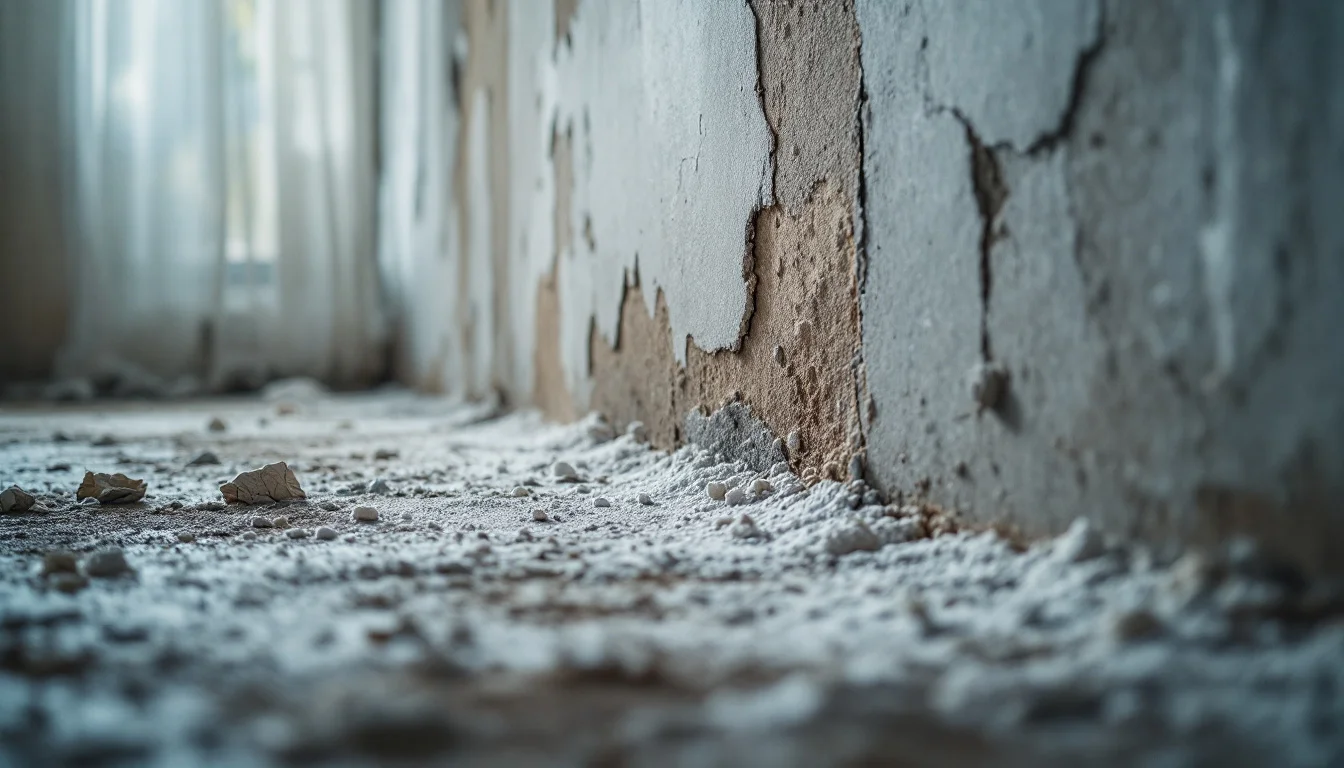
The sight of a puddle spreading across the living room floor usually triggers an immediate instinct: mop it up, air out the room, and hope the problem is solved. However, managing water damage in a home goes far beyond surface-level cleaning. As Polygon points out, water damage isn't limited to what you can see; it extends to hidden pockets of moisture within walls, floors, and ceilings. If ignored, this underlying dampness creates a perfect breeding ground for mold and can lead to severe structural damage.
Drying out a room therefore requires a meticulous approach. The immediate priority is to stop fungal growth before it compromises indoor air quality. The success of this operation hinges on choosing the right dehumidification equipment.
Key Takeaways
- Technical Priority: You must identify and repair the source of the leak before attempting to dry out any materials.
- Temperature Control: The heating in the affected room should be kept steady between 20 and 25°C to prevent the structural materials from deteriorating too quickly.
- Objective Measurement: Evaluating the drying process requires a hygrometer to measure hidden moisture.
What Are the Risks of Incomplete Drying After Water Damage?
Once the water has been pumped out and the surfaces wiped down, the real danger becomes invisible. Residual moisture trapped in porous materials triggers a slow degradation process that can severely compromise the building's structural integrity.
Weakened Structural Integrity
Water absorbed by masonry and insulation alters their mechanical properties. Inadequate drying can weaken the building's structural integrity: under the effects of water saturation, wood warps, drywall crumbles, and insulation loses its effectiveness. This loss of insulating capacity notably leads to thermal bridges, which subsequently encourage condensation issues.Secondary and Health Risks
Beyond the framework and partition walls, built-in fixtures are also vulnerable to moisture. Incomplete drying can cause serious secondary damage. Electrical systems exposed to dampness pose a risk of malfunction or fire—a threat that is often underestimated once the walls appear dry on the surface.Furthermore, oxidation attacks the infrastructure, causing metal components to rust or corrode. Finally, from a health standpoint, persistent stagnant moisture promotes bacterial growth. This combination of material and biological degradation highlights the need for proper drying techniques. For severe cases, this may require calling in professionals equipped to extract moisture deep from within the structures.
How to Extract Hidden Moisture from Walls and Floors
Rushing the restoration of a water-damaged room is counterproductive. The golden rule, as noted by Mur-Tronic, is that before you begin drying a wall after a leak, you must first identify and fix the source of the problem. Whether it's a burst pipe, roof or window seepage, or a condensation issue, treating the symptom without addressing the root cause significantly undermines the effort.
Once the area is watertight again, the goal is to force the evaporation of the water trapped inside the materials without causing physical shock to them. Placing a hygrometer in the room is highly recommended to monitor humidity levels during and after the drying process, providing a reliable metric to track your progress.
Deploying drying tools follows a specific physical logic, with each piece of equipment playing a distinct role. Drying out a wet wall can involve several complementary technologies, utilized depending on the severity of the situation.
| Deployed Equipment | Physical Mechanism of Action | Recommended Use Case |
|---|---|---|
| Low-temperature heating (20 to 25°C) | Stimulates evaporation without thermal shock | Prevents rapid cracking of materials |
| Mechanical fans | Accelerates surface airflow | Sweeps away the moisture-saturated air layer |
| Dehumidifiers and wall dryers | Captures and extracts airborne moisture | Severe damage requiring professional-grade equipment |
The Mistake of Intensive Heating
Adhering to the temperature guidelines is crucial. Cranking the radiators up to the maximum causes the outer layers of plaster or wood to dry out far too quickly. This hardened surface then acts like an impermeable shell, trapping residual moisture deep within the wall and ultimately accelerating the internal decay of the materials.How to Safely Clean Mold Off a Wall
When the drying process is too slow or action is taken too late, mold growth becomes a major complication. Removing it requires a methodical approach to avoid making things worse by dispersing microorganisms into the home's air.
Personal Protective Equipment (PPE)
Direct contact and inhalation present real health risks when handling contaminated areas. Cleaning mold must absolutely be done while wearing gloves, protective goggles, and a mask to prevent inhaling spores. This physical barrier is your first line of defense before applying any chemicals.Gentle Chemicals and Mechanical Action
Aggressive scrubbing has no place in this cleaning phase. To treat wall mold, use a mixture of water and white vinegar, or hydrogen peroxide. Apply this treatment by rubbing gently with a sponge or a soft brush to avoid damaging the surface.Scrubbing too vigorously will not only damage finishes already weakened by water, but more importantly, it will fling spores into the air. These airborne particles can then settle in other areas of the house, potentially spreading the contamination to other rooms.
How to Prevent Water Damage from Winter Freezes
Once the room is dried and decontaminated, your focus should shift to the long-term protection of the home. Climate fluctuations, particularly freezing winter spells, require proactive measures to ensure you don't experience another disaster.
Ventilation as a Defense
Managing daily airflow is the best defense against the stealthy buildup of moisture. Good air circulation in damp-prone rooms (like bathrooms and kitchens) is an essential preventative step. Installing a mechanical ventilation system is also a sustainable solution for stabilizing your indoor environment.Securing Plumbing During Absences
Winter temperature drops are responsible for a significant number of burst pipes. Prevention involves simple but crucial steps when the home is unoccupied. According to Humihouse, if you are going to be away for more than three days during a freeze, you should leave the heating on a low setting and shut off both the hot and cold water supplies.This basic precaution limits the pressure within the plumbing system and prevents the formation of ice blockages that can shatter pipes. By following these protocols, occupants significantly reduce their vulnerability to harsh weather.
FAQ: Managing the Unexpected After Water Damage
Should all windows and doors be closed while a dehumidifier is running?
Yes. Leaving windows open forces the machine to process the humidity from the outside air, which renders the extraction of moisture from your walls completely ineffective.When can painting begin after water damage?
Applying a new finish or paint doesn't follow a fixed timeline. Resuming decorative work depends entirely on deep moisture readings confirming that the core of the material has returned to normal humidity levels.Conclusion: The Importance of Methodical Drying
Managing water damage doesn't stop at a simple surface cleanup. As the various steps in this guide have shown, a successful recovery relies on deep, thorough drying. Beyond the incident itself, prevention plays a key role: maintaining proper ventilation and frost-proofing your plumbing during extended absences are essential practices for preserving the long-term structural integrity and health of your home.